
Those days are long past when HR compliance was a back-office concern; it has now become an integral part of any business. The growing complexity of legislation and an increasingly global workforce have brought about greater challenges to businesses on issues relating to labour laws, protection of data, and workers’ rights.
Based on a recent global compliance survey conducted by PwC, it was reported that approximately 85% of companies responded positively to having experienced at least one breach against any or all types of compliance during the last three years, resulting in either penalties (fines) or damage to their reputation.
There are five areas of compliance within the field of human resources. This article will cover these five key areas and offer insight into the best practices that every organization must implement in order to achieve compliance.
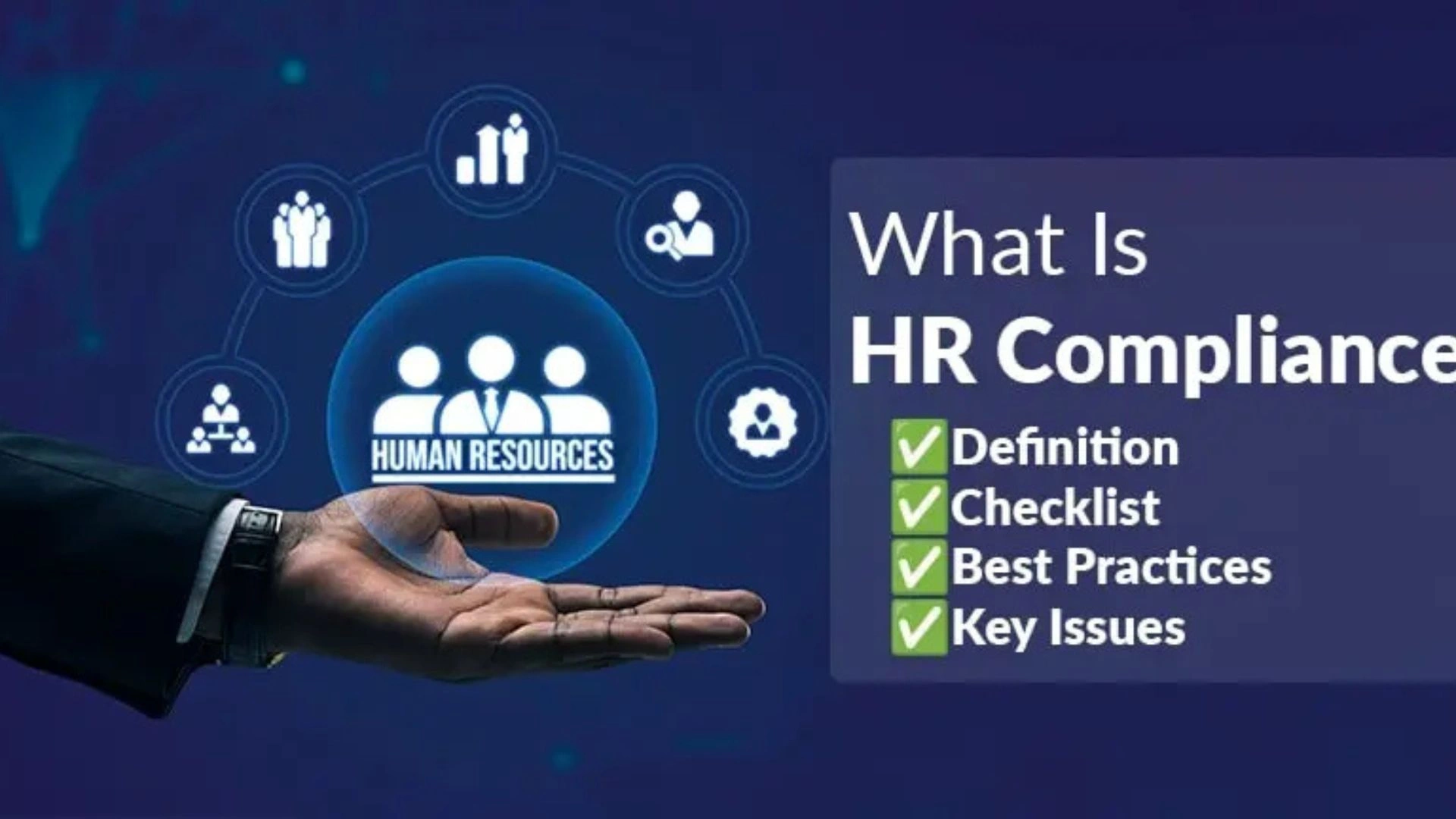
What is HR Compliance?
HR compliance generally describes an organization’s responsibility to ensure that regulations and policies, which cover employment regulations as a whole, are being adhered to.
These regulations, among others, cover the following:
- Hiring and onboarding
- Compensation and benefits
- Workplace Safety
- Data privacy
- Termination and record keeping
Failure to comply may involve fines, legal action against employees or companies, auditing, and loss of employees’ trust.
Why HR Compliance matters more than ever
Complexity in modern HR compliance is attributable to:
- Frequent regulatory changes
- Remote and cross-border workforces
- Increased employee awareness of their rights
- Stricter data privacy laws
Compliance practices are very important to businesses that are in growth stages.
5 Key Areas of HR Compliance
Understanding the fundamental compliance areas of HR sets the tone for an effective strategy.
1. Employment & Labour Laws
These laws include the hiring, classification, payment, and firing of the employee.
Key compliance elements include:
- Minimum wage laws and overtime laws
- Employee Classification: Permanent Employee or Contractor?
- Working hours & rest periods
- Anti-discrimination regulations
2. Workplace Health & Safety
Organisations are required to give their employees a safe and healthy working environment.
This includes:
- Occupational safety standards
- Injury reporting procedures
- Emergency preparedness
- Policies for safe remote workplaces
The US Occupational Safety and Health Administration states that “injuries in the workplace cost employers over $170 billion annually in lost productivity, medical expenses, and legal costs.”
3. Compensation, Benefits, and Payroll Compliance
Payroll errors are some of the most common compliance issues.
Compliance in this area includes:
- Accurate calculation of wages
- Tax withholding and reporting
- Benefits administration
- Paid leave entitlements
According to a research survey, it was shown that 53% of businesses suffer from payroll penalties annually, primarily due to compliance failures.
4. Data Privacy & Employee Records
Having access to sensitive employee data makes HR an essential role.
Key Compliance requirements include:
- Secure data storage
- Limited access controls
- Compliance with relevant privacy regulations (e.g., GDPR, local data regulations, etc.)
- Proper records retention and disposal
Fines of up to 20 million euros, or 4% of global revenues, can also be enforced on organisations that breach data privacy under the GDPR.
5. Equal Employment & Workplace Conduct
This area emphasises fairness and respect at the workplace.
Compliance requirements include:
- Employment anti-harassment legislation
- Equal Employment Opportunity (EEO) law
- Equal opportunity laws, including protection against harassment
- Types of issues related to grievance handling
The 5 Steps to HR Compliance
Once the areas are clearly understood, a process is needed to sustain compliance.
Step 1: Identify Applicable Laws and Regulations
HR compliance requirements differ in:
- Country, state, and local jurisdiction
- Industry
- Workforce structure (remote, contract, full-time)
Organisations should periodically review labour laws and other relevant regulatory updates.
Step 2: Develop Clear HR Policies and Documentation
Written policies assure consistency and legal protection.
Essential documents include:
- Employee handbooks
- Code of conduct
- Data protection policies
- Health and safety guidelines
To comply with well-defined policies, minimize confusion, and boost legal defenses.
Step 3: Train Employees and Managers
Compliance policies are only truly effective if your employees understand them.
The training should include:
- Workplace behavior and ethics
- Anti-harassment policies
- Data security responsibilities
- Health and safety procedures
Step 4: Monitor, Audit, and Track Compliance
Ongoing monitoring is also necessary to identify gaps as early as possible.
Some best practices include:
- Internal HR audits
- Payroll and benefits reviews
- Compliance checklists
- Indexing documentation
Regular audits help reduce the possibility of surprise regulatory inspection and fines.
Step 5: Continuous Improvements
HR compliance is not static.
Organisations should:
- Annual policy review
- Keep pace with changes in regulation
- Consider employee feedback
- Update training materials
Common HR Compliance Challenges
Even within the best-practice model, some challenges that organisations face include:
- Rapidly changing labour laws
- Managing compliance across locations
- Limited internal HR resources
- Inconsistent policy enforcement
The issues make structured systems and expertise much more vital.
The best practices of HR Compliance aim to safeguard businesses from legal liabilities while fostering a fair, safe, and transparent work environment. Businesses, therefore, need to be aware of the 5 major aspects of Compliance and take up the 5 vital steps of Compliance to be successful.
FAQs
1. What is the biggest risk regarding HR compliance for businesses?
One of the biggest HR compliance risks is payroll errors and employee misclassifications, both of which can be very costly to a business.
2. How frequently should businesses conduct employment practices compliance audits?
Employment practices compliance audits are generally conducted at least annually, and additional reviews may be done if there is a change in either workplace regulations or the full nature/structure of an employer’s workforce.
3. Can small businesses be subject to penalties due to HR compliance violations?
Yes, small businesses are held to the same legal compliance standards that govern large employers.
4. What steps can a business take to help minimize the burden of ongoing HR compliance?
Standardizing policies, creating compliance checklists, providing training regularly, and continually monitoring updates to applicable regulations.
Also Read:
Best Staffing Solutions for Startups
How Outsourcing Can Solve Talent Shortages
Top Skills in Demand for Outsourced Staffing for Businesses
Top Financial Advantages of Staff Outsourcing for Businesses