

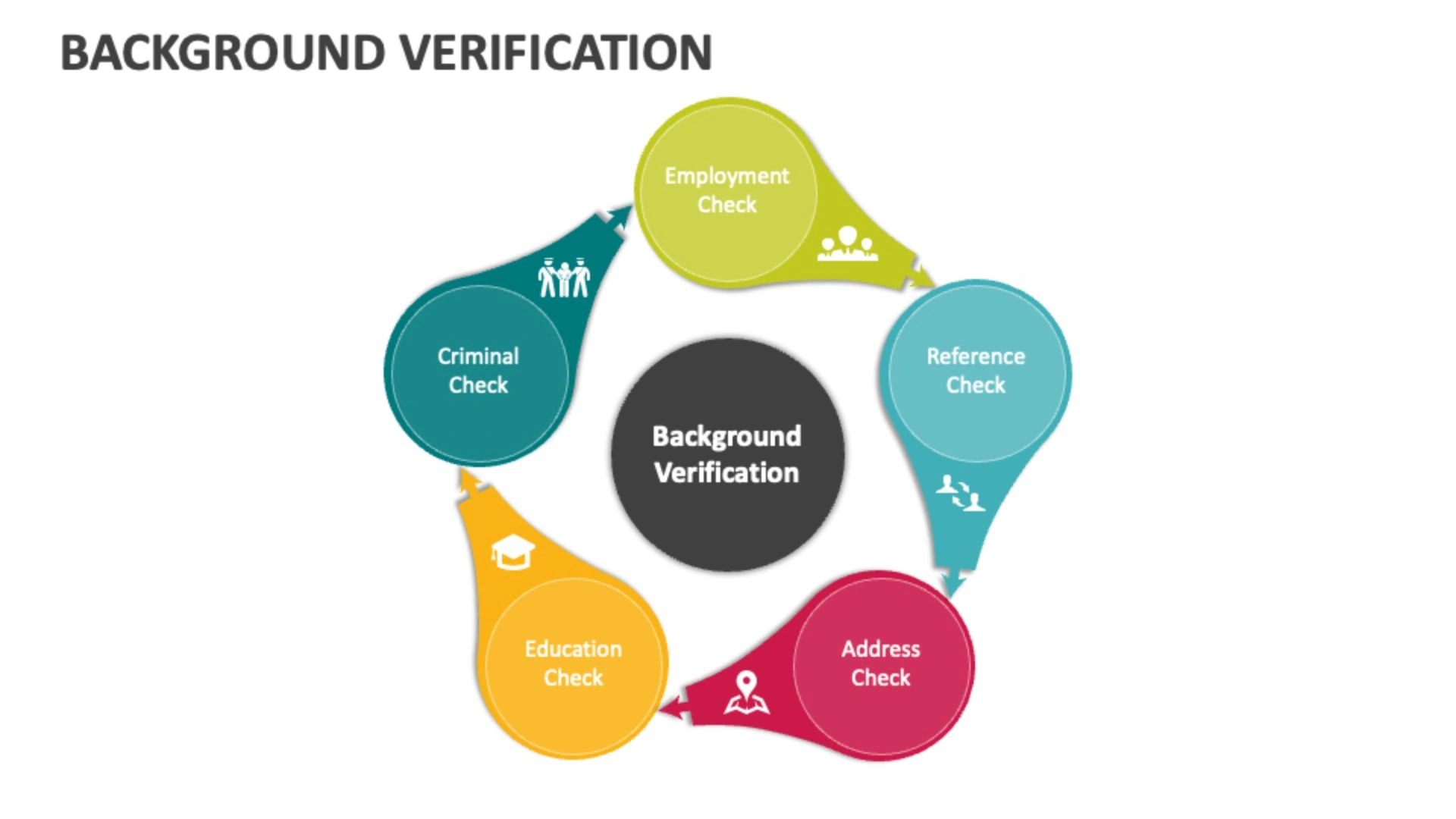
One of the most important steps during the hiring process is to ensure the authenticity and transparency of a candidate’s identity, credentials, and work history. This is ensured through the domain screening procedure. When instances of resume fraud or falsification escalate, more and more companies divert funds to background screenings as a protective measure against making a wrong choice of an employee.
Most probably, it could be said that practically all companies nowadays find verification processes embedded in their recruitment activities, as most of them are conducting a form of background check before making an offer.
This article goes into the details about what a background check is, why it is relied upon, and how the procedure is done, that speak about its value for businesses.
Why is background verification important?
Making hiring decisions just by looking at resumes is quite a risk. Companies generally get to know about discrepancies when they check the backgrounds of applicants.
Most of the time, the reasons for doing background checks lie in:
- Keeping the workplace safe
- Adhering to regulations
- Verifying credentials
- Reducing financial and reputational risks
- Uncovering resume fraud
A lot of employers, during background checks, at some point or another, have found that job candidates lied or exaggerated their qualifications on their resumes or job applications, which shows how frequent such cases are.
Besides that, statistics show that 70% of employees have confessed to lying on their resumes, so the need for checking is even greater.
A detailed look into the background verification process
Here is a fair outline of the stages of a structured background check process:
- Candidate Consent and Information Gathering
The process starts with getting the candidate’s consent and collecting their personal information needed for the checks.
Some of the data usually collected are:
- Details of government ID or passport
- History of addresses
- Records of employment
- Educational qualifications
- References
Consent is essential because, in many jurisdictions, it is mandatory to get the candidate’s authorization before carrying out the checks.
- Identity Checking
Identity checking is a process to make sure the candidate is the person they say they are.
Examples of common checks are:
- Checking the government ID
- Verifying the passport
- Checking the address
- Confirming the digital identity
Identity verification is a good way to stop people from using fake or stolen identities in the hiring process.
- Verification of Education
Education verification is a process of checking whether a candidate actually attended the listed universities or had the training mentioned in their resume.
Verification may involve:
- Contacting the schools or educational institutes
- Checking the authenticity of the certificates and transcripts
- Confirming the dates of course completion
Education fraud is quite common; fake degree cases are responsible for the maximum discrepancies found in the background checks.
- Employment Verification
Employment verification is a way to validate whether the candidate’s claimed work history is genuine.
Most of the time, employers verify:
- Job titles
- Employment dates
- Responsibilities
- Salary information
- Reasons for leaving
It is a known fact that some candidates change employment dates or roles in a few cases.
- Criminal Record Check
With a criminal background check, employers can find out if an applicant has any history of legal problems that may be risky in the workplace.
Standard investigations cover:
- Criminal convictions
- Court records
- Legal cases
- Regulatory violations
The importance of these checks cannot be overstated in the fields of finance, healthcare, and government.
- Reference Checks
Reference checking generally refers to contacting the candidate’s previous supervisor or colleagues to confirm the following:
- Candidate performance
- Professional behaviour
- Work ethic
- Reliability
Benefits of conducting background verification
Organizations that conduct background checks have the upper hand in a number of ways.
- Reduces Hiring Risk
Screening is one of the ways through which hiring candidates who give inaccurate or fraudulent information can be avoided.
- Improves Workplace Safety
Random checks of criminal records assist in making hiring decisions that do not involve individuals who might be a threat or danger.
- Protects Company Reputation
Brand reputation is one of the things that a company can lose when it hires unqualified or dishonest employees.
- Improves Quality of Hire
The use of a verification process goes a long way to guarantee that employees have the qualifications and experience required for the job.
- Ensures Compliance
Background checks are, in many cases, a requirement of regulatory standards or industry regulations.
Tips to improve the background verification process
Here are some ways companies can improve their background check programs:
- Standardize verification policies regardless of the role.
- Leverage tech and automated screening platforms.
- Confirm different sources (education, work, references).
- Work with expert background check service providers.
- Make sure you have the candidate’s permission and that you comply with the law.
- Keep track of verification results through regular audits.
These measures will result in a uniform and trustworthy recruitment process.
FAQs
- How common is the practice of employers conducting background checks on candidates?
Basically, all employers do background checks in their hiring process. So, we can say most of the employers utilize background screening checks.
- What are the reasons behind companies conducting background verification?
To make sure the candidate’s information is true, one of the reasons an organization would do a background check is to prevent fraud and ensure safety in the work environment.
- What is the most common issue detected in background checks?
Employers encounter resume fraud most frequently. They also say they find inaccuracies in a resume or job application.
- For how long is the background verification process executed?
Normally, it should not take more than 3 to 10 business days, depending on whether the checks are few or numerous and how quickly the institutions or previous employers respond.
Also Read:
End-to-End Recruitment Process