

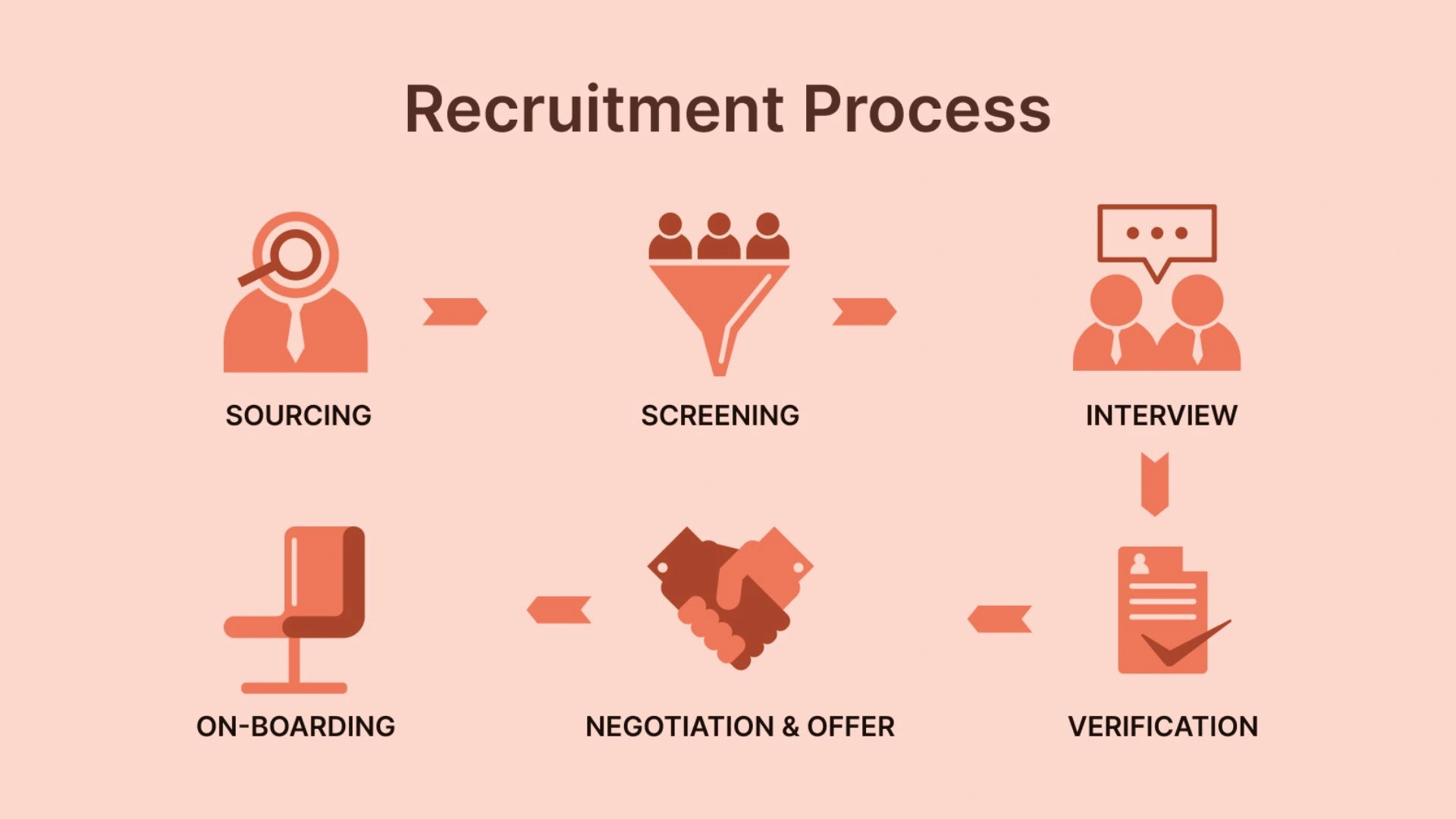
Hiring employees in Oman requires more than just posting a job—it involves legal compliance, workforce planning, and understanding government regulations.
With Oman’s labour market evolving rapidly, businesses must adopt a structured recruitment process to hire efficiently and stay compliant.
Overview of Oman’s Labour Market
Oman’s employment landscape is growing and transforming:
- The total workforce reached over 2.28 million employed individuals
- Over 1.8 million expatriate workers contribute to the economy
- The government created 200,000+ jobs and training opportunities
- Omani workforce increases 7.2% in private sector
This shows that recruitment demand in Oman is strong and growing
Understanding Omanization
Omanization is a government initiative to increase the employment of Omani nationals.
- Many companies are required to hire local employees
- Firms must meet specific Omanization quotas
- Work permits for expatriates require approval
According to the labour law:
- Employers must obtain Ministry approval before hiring foreign workers
Step-by-Step Recruitment Process in Oman
1. Workforce Planning & Job Approval
Before hiring:
- Identify job roles
- Check Omanization requirements
- Obtain necessary approvals
This step ensures compliance with labour regulations
2. Sourcing Candidates
Companies can hire through:
- Job portals
- Recruitment agencies
- Internal hiring teams
Recruitment agencies are often preferred for faster hiring and access to skilled talent.
3. Screening & Shortlisting
This includes:
- CV screening
- Skill assessment
- Background checks
Proper screening reduces hiring risks and improves workforce quality.
4. Interview & Selection
Employers conduct:
- Technical interviews
- HR discussions
- Final selection
Many companies now use AI-based recruitment tools to speed up hiring
5. Offer Letter & Contract
Once selected:
- Issue an employment offer
- Define salary, benefits, and terms
- Sign the employment contract
6. Work Permit & Visa Processing
For expatriates:
- Apply for labour clearance
- Obtain a work visa
- Ensure compliance with the Oman labour laws
This is one of the most complex steps in the Oman hiring process.
7. Onboarding & Payroll Setup
Final steps include:
- Employee onboarding
- Documentation
- Payroll registration
- Compliance setup
What are the Challenges Businesses Face in Recruitment in Oman?
Despite opportunities, companies face several challenges:
1. Complex Labour Laws
Strict regulations and approvals delay hiring
2. Omanization Requirements
Balancing local and expatriate hiring
3. Talent Availability
Skill gaps in certain industries
4. Time-Consuming Hiring Process
Multiple approvals and documentation These challenges make recruitment slow and risky without expert support
How Recruitment Agencies Simplify Hiring in Oman?
Partnering with a recruitment agency helps businesses:
- Access pre-screened talent
- Ensure legal compliance
- Reduce hiring time
- Manage documentation and approvals
This is especially important in GCC markets with strict labour laws.
How 6-Pence Supports Recruitment in Oman?
At 6-Pence, we provide end-to-end recruitment and outsourcing solutions tailored for Oman and GCC markets.
Our Services Include:
- Talent sourcing and screening
- Compliance with the Oman labour laws
- Work permit and visa support
- Payroll and workforce management
We simplify hiring so you can focus on business growth.
Conclusion
The recruitment process in Oman is structured but complex. With increasing workforce demand and strict regulations, businesses must:
- Follow proper hiring procedures
- Ensure compliance
- Work with experienced partners
The right recruitment strategy can turn hiring into a competitive advantage
FAQs
1. How many expatriates work in Oman?
1.8 million foreign workers held jobs in Oman during 2025, showing how deeply the nation depends on outside manpower.
2. What is the importance of Omanization in shaping hiring practices?
Putting Omanis first in jobs helps fill positions locally while slowly cutting the need for outsiders. Workers from within the country get more chances now that systems are shifting away from hiring globally.
3. What industries depend heavily on foreign employees?
Construction, tourism, and real estate usually see fewer locals joining the workforce; foreign workers fill many roles there. While some sectors grow fast, these tend to pull skilled people from abroad rather than homegrown candidates. National involvement stays limited, meaning outside experts keep things running more often than not.
Also Read:
End-to-End Recruitment Process
Omanization vs Emiratisation vs Bahrainization