
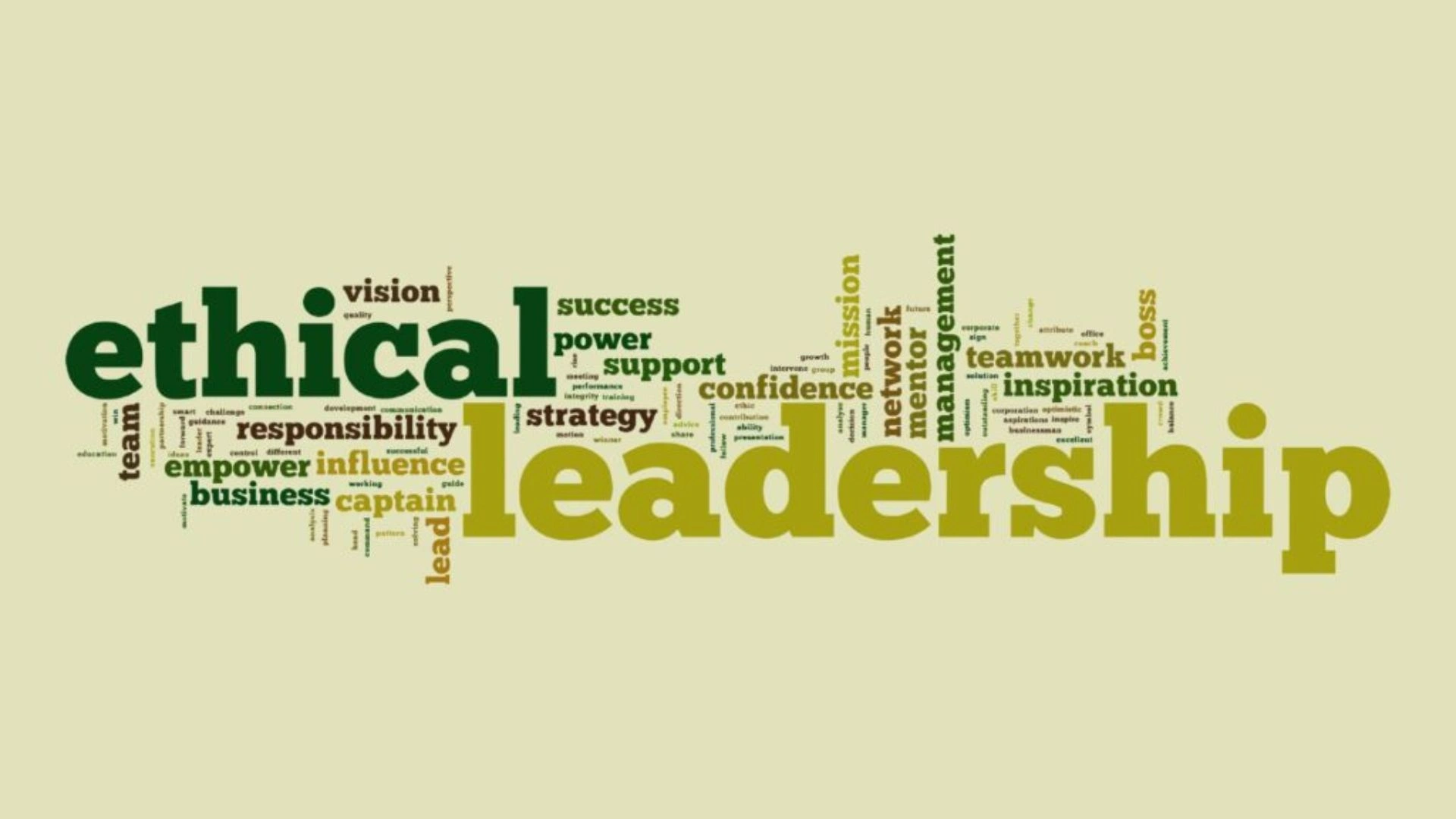
Ethical leadership is more than just following the law; it requires leaders who have the ability to develop a culture around the appropriate use of authority, the fair decision-making process, and to act in accordance with their ethical values when no one is looking. Ethical leadership evaluates the way outcomes are achieved rather than just looking at performance measurements and demonstrates ethical behaviour to those who work for them by giving guidance to follow a predetermined set of ethical standards.
What is Ethical leadership?
Anytime a person displays the attributes of an ethical leader, for instance, honesty, accountability, and fairness, such a person is ethically leading. On the off chance that ethical leaders encounter the formation of ethical decisions, they will certainly look at their moral code as the ground for their decisions.
Besides the talked-about ones, some other significant values that moral leaders should consider are honesty, being a good professional, respect, and being responsible.
Ethical leadership must occur at a time when businesses are under more increased scrutiny and social accountability than ever before, and therefore, trustworthiness has never been more important.
Therefore, any business that wishes to build a successful working relationship with its employees, customers, and community should strive to create a good reputation and maintain the trust of its various stakeholders by doing so through ethical leadership. All choices made by businesses will affect people and the long-term sustainability of the organisation.
Key Behaviours of Ethical Leaders
Ethical leadership should be presented through daily actions, not just through the written word or through verbal statements. Such things as:
- A leader is a role model who keeps their word, admits mistakes, and acts in accordance with their values.
- An ethical decision is made after weighing the considerations of all the stakeholders, not just the immediate financial gain.
- The leader communicates with honesty, provides reasons behind his/her decisions, and encourages feedback and questions.
- Leaders are responsible for their own actions as well as those of their reports to the organisation, and they will ensure accountability based upon conduct and performance.
- Ethical leaders will build an ethical culture by ensuring that all aspects of hiring, evaluation, and reward systems are conducted in a manner consistent with ethical behaviour.
Through demonstrating these behaviours, ethical leaders will establish norms around which employees will gravitate.
Why Ethical Leadership Matters at Work
The ethical leadership trait and how it influences the workplace(s) environment and productivity:
- The workplace has a greater level of trust and engagement from employees. Employees are more committed to the organisation when they know their leaders act fairly and with a foundation of values.
- Organisations that have adopted an ethical leadership approach have stronger reputations. These organisations have improved perceptions of their customers, regulatory agencies, and the partners with whom they do business; therefore, there is less risk of reputational damage.
- More responsible decision-making, considering long-term consequences and taking into account the views of stakeholders, results in sustainable strategies and significantly lowers the likelihood of costly crises.
Ultimately, over time, ethical leadership traits will provide a competitive advantage as they attract workers and clients who wish to do business with responsible brands.
Ethical Leadership and Stakeholders
In today’s workplace, many people are judging businesses. Shareholders, customers, suppliers, employees, and local governments are all scrutinising how an organisation treats them. An ethical leader will take into account the potential indirect effects their decision-making process may have on various stakeholder groups.
Ethical leaders will consider each group’s right to fair and equal treatment, as well as their impact on future generations, when making strategic decisions for the company; they will also promote a positive impact on the environment and society, including fostering ethical and sustainable practices within their supply chains. Through adopting this stakeholder-centric approach, organisations become more resilient and create long-lasting value beyond simply ‘quarterly results’.
Common Challenges in Ethical Leadership
Leaders with noble intentions will have difficulties with:
- Leading to underperformance pressures in the short-term, which pushes individuals to cut corners
- Leading within ambiguity or complexity, which makes it difficult for people to assess all the implications of their actions
- Working across national or team cultures that have different beliefs and values
- Advances in digital and data ethics (e.g., privacy, AI, and social media) introduce new grey areas in ethics.
- Leaders will tire of having to make a decision repeatedly about an ethical dilemma.
To address these issues, it is critical to have clearly defined values, a safe environment to speak up, and an ethical decision-making system that encourages rather than punishes ethical choices.
How to Develop Ethical Leadership
At any level of an organisation (not just at the C-level), ethical leadership can be developed through a series of practical implementation methods. Some examples of methods include:
- Self-reflection: perform a consistent self-evaluation of your own drives, biases, and decision-making patterns.
- Education and training: Increasing knowledge of the ethical framework used by an organisation, including laws and case studies from the real world.
- Role modelling: showing the behaviours you would like those under your authority to display, especially in times where pressure is present.
- Rewarding integrity: Encouraging and acknowledging employees who do the right thing, even when this is difficult for them.
- Embedding ethics into the organization’s systems: establishing values throughout organisational processes, including recruitment, performance management, and leadership development.
Over time, these practices will create a culture in which “doing the right thing” is the norm and not just an exception.
How 6 Pence Can Support Ethical Workplaces
An ethical leadership model is driven by the right employees and Human Resource (HR) practices. 6 Pence, a staffing and workforce solutions provider, assists organisations by building their teams and processes so they are in alignment with their core values.
To assist organisations seeking to promote ethical behaviour and high levels of performance through the workforce, 6 Pence takes the time to conduct thorough background checks of potential new hires, maintain all employee records in accordance with state and federal employment laws, and use open communication and transparency to assist organisations with their current workforce.
6 Pence helps organisations achieve their ethical leadership objectives through collaborative working relationships with their customers.
Organisations that engage in a partnership with 6 Pence can enhance their capacity to demonstrate ethical leadership. This includes the process of selecting who they will hire, how they will manage their employees, and what day-to-day behaviours are required for the organisation to reflect their culture and earn brand trust.
Also Read: